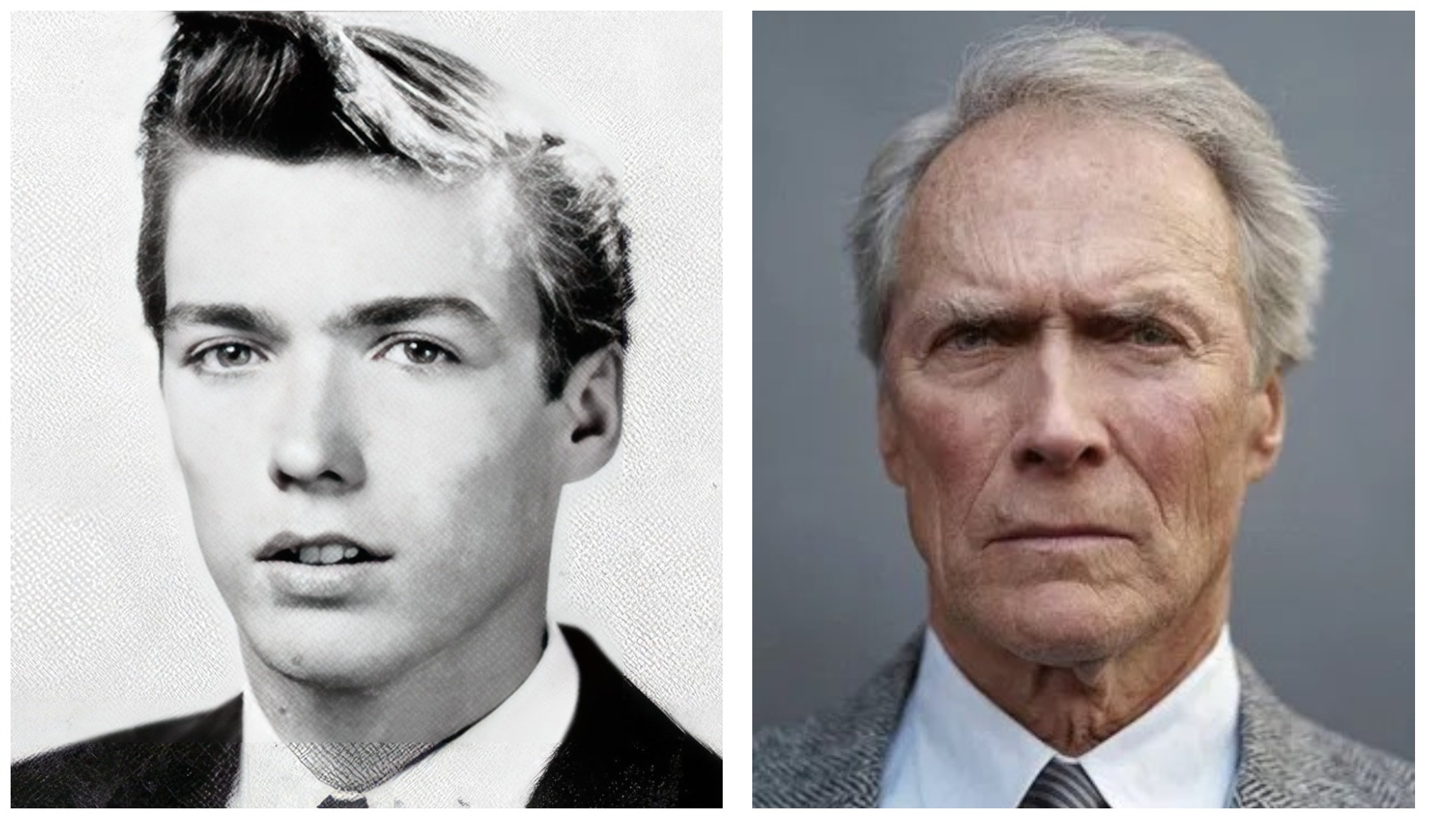
Clint Eastwood – THEN & NOW: The Tall, Quiet Kid Who Became Hollywood’s Toughest Legend
Before Clint Eastwood became the face of American grit, a symbol of cold confidence, and the man whose stare alone could silence a room, he was just a tall, skinny kid from San Francisco trying to figure out where he belonged. His childhood wasn’t glamorous, and his path to stardom was anything but easy.
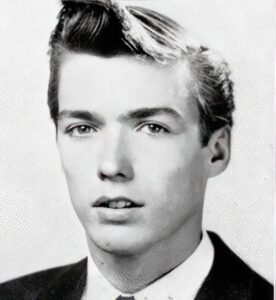
The young Eastwood in the photo looks almost unrecognizable – soft features, neatly combed hair, a calm expression. There’s no hint yet of the steely glare that would define Dirty Harry, no trace of the rugged cowboy who would ride through Sergio Leone’s iconic westerns. Back then, he was shy, introverted, and already unusually tall, earning him the school nickname “Samson.”
Growing up during the Great Depression, Clint’s family moved constantly as his father looked for work. He went through dozens of schools, often being the “new kid,” which made him observant, quiet, and fiercely independent – traits that later shaped his legendary screen presence.
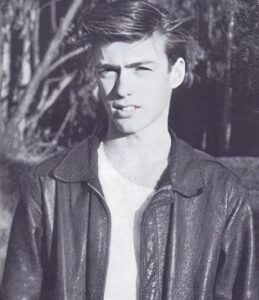
At 19, Clint was drafted into the Army, and fate intervened in the most dramatic way. He survived a plane crash in the Pacific Ocean, swimming miles to shore through freezing water. That moment, he later said, taught him exactly what life and death felt like – something he carried into his performances for the rest of his career.
But Hollywood didn’t welcome him with open arms.
Producers said he was “too tall,” “too stiff,” and even “too old-fashioned.”
One casting director told him he “smiled too little.”
(If only they knew what that smile – or lack of it – would become.)

His breakthrough came with the TV series Rawhide, but it was the Italian “Spaghetti Westerns” that transformed him into a global icon. With minimal dialogue, a poncho, a cigar, and that granite stare, Clint Eastwood rewrote the rules of the Western hero.
Then came Dirty Harry.
A badge. A .44 Magnum. A single line — “Do you feel lucky?”
And cinema history was sealed.
But Eastwood didn’t stop at acting.
He became an Oscar-winning director, redefining late-career success with films like Unforgiven, Million Dollar Baby, Mystic River, and Gran Torino. His style? Raw. Human. Honest. The same qualities that carried him from childhood moves and military survival to Hollywood royalty.
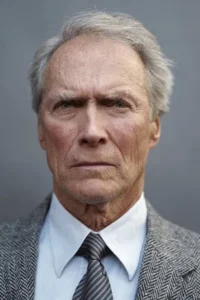
Conclusion
From a quiet kid nicknamed “Samson” to one of the most influential forces in Hollywood, Clint Eastwood’s story proves that legends aren’t born — they’re built through resilience, risk, and an unwillingness to ever back down.