
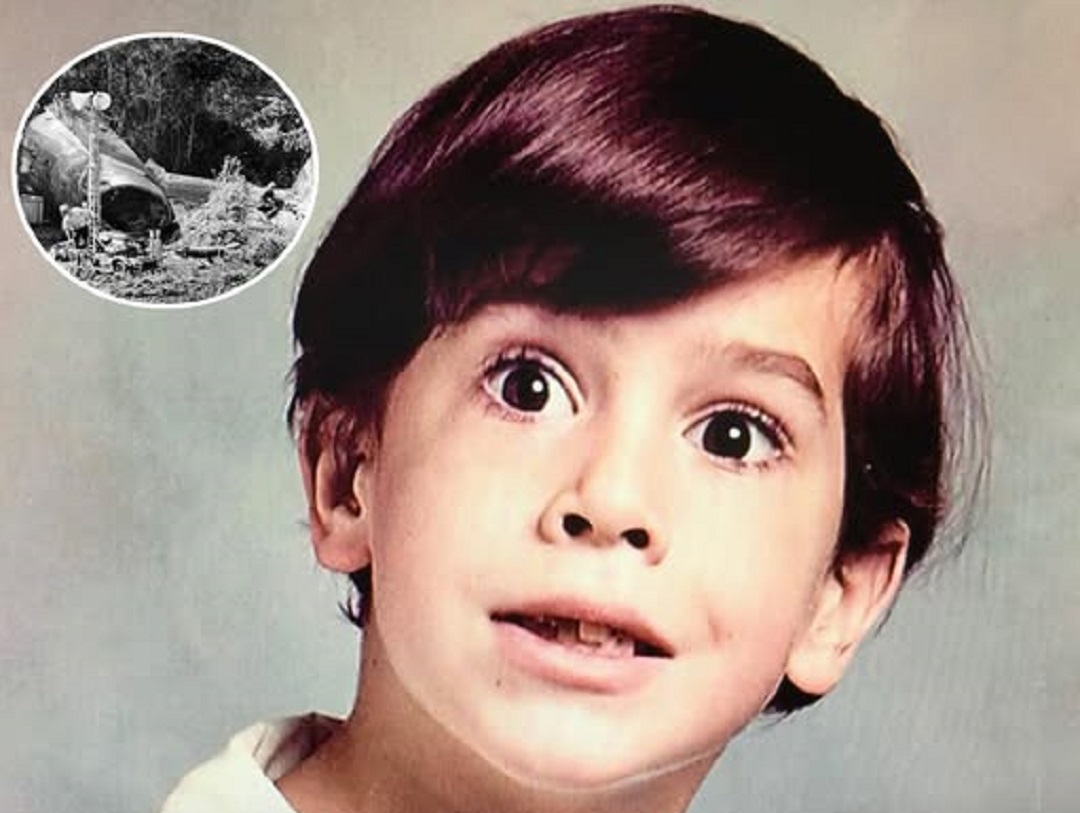
A Comedy Icon Forged by Tragedy
Stephen Colbert is known today as one of the sharpest minds in American television.
But long before the lights of late night studios, his life was shaped by loss.

Born in 1964 in Washington, D.C., Colbert grew up as the youngest of ten children. His family later settled in South Carolina, where faith, education, and discipline defined daily life.
Everything changed on September 11, 1974.
Eastern Air Lines Flight 212 crashed while attempting to land in Charlotte, North Carolina. Fog covered the runway. Pilot error sealed the outcome. Out of 82 people on board, only 13 survived.
Colbert’s father and his two brothers, Paul and Peter, were among those who did not.

Overnight, the house grew quiet. Childhood worries disappeared. Responsibility arrived too early.
Colbert later described those years as dark and still. Just him and his mother, learning how to exist inside grief.
School stopped making sense. Motivation faded.
Books became his escape.
Fantasy novels, especially the worlds of J.R.R. Tolkien, gave him a place where loss had meaning and heroes survived despair. His Catholic faith helped him search for purpose rather than bitterness.
Slowly, something else emerged.
Performance.
The stage offered control. Comedy offered release. Improvisation allowed him to transform pain into connection.
After transferring to Northwestern University, Colbert found his voice. It was not loud at first, but it was sharp, thoughtful, and fearless.
Second City changed everything.
There, he met future collaborators like Steve Carell and Amy Sedaris. Comedy stopped being an accident and became a craft.
When he joined The Daily Show in 1997, audiences saw satire with intelligence behind it.
When The Colbert Report launched in 2005, they saw genius.
But beneath the character was a man who understood loss deeply.
That understanding followed him to The Late Show on CBS, where humor met empathy night after night. His success was not built on cynicism, but on survival.

Today, Stephen Colbert stands as proof that laughter does not erase pain.
Sometimes, it grows from it.
And that may be his greatest legacy of all.